E-commerce3 min read
Headless Shopify: what it is, and when a UAE brand actually needs one
What headless Shopify is, what it costs you in build and upkeep, and when a UAE brand should choose it over a theme, from a real headless store we built.
Published 23 October 2026Last updated By Muhammad Raza
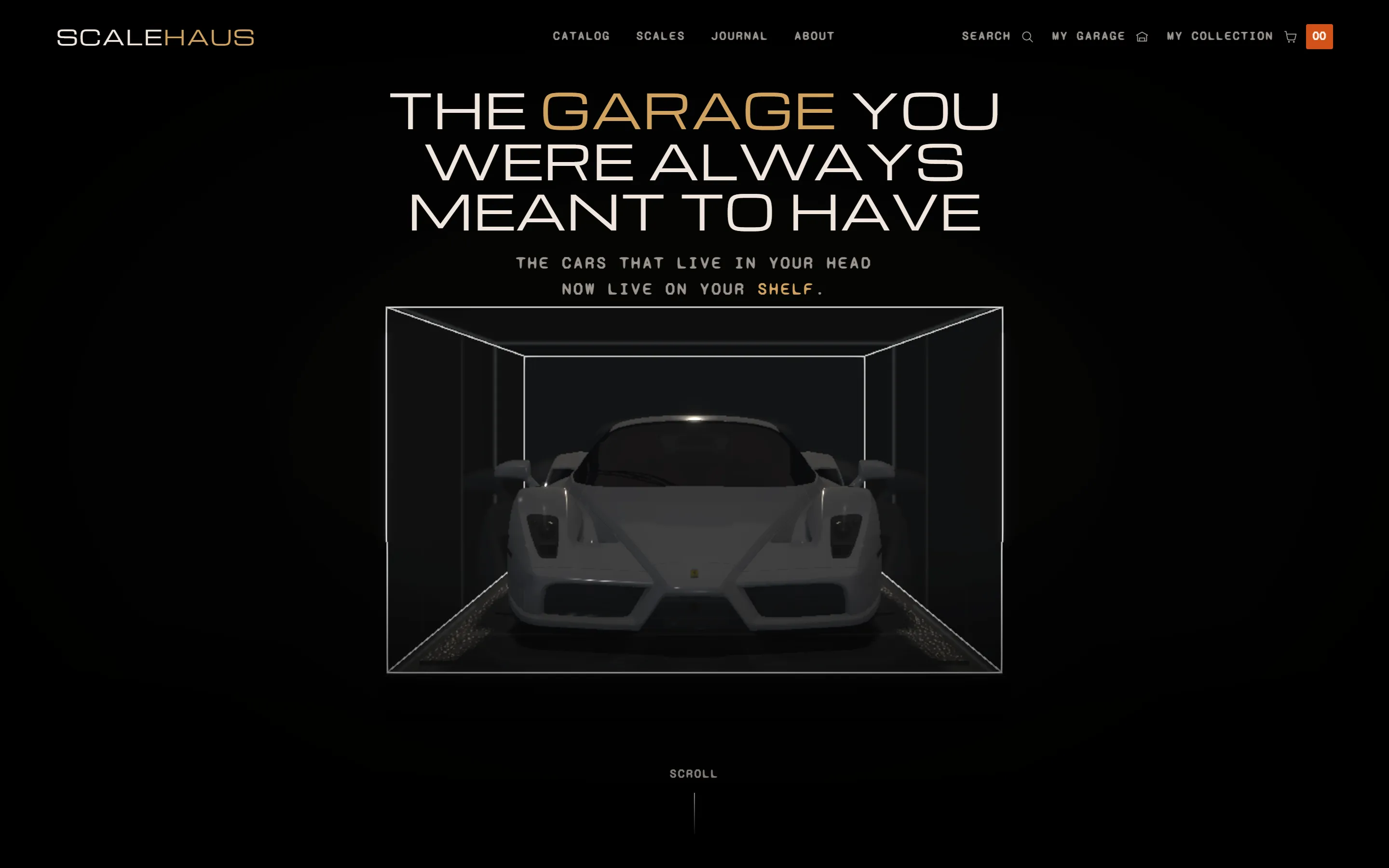
Headless Shopify is a Shopify store with a custom-built storefront: you design and code the part customers see, while Shopify still runs products, the cart and checkout behind it. Shopify's own advice is to go headless only when a theme, sales channels and apps can't do what you need, because a headless storefront costs more to build and to run (Shopify).
We built one for ScaleHaus, a UAE store for 1:18 and 1:64 scale diecast models. This guide covers what headless gave that store, what it costs, and how to tell whether your brand needs it.
Theme or headless: the difference
A Shopify theme is a ready-made storefront you customise inside Shopify. You get a working store quickly, thousands of apps that plug straight in, and changes you can make yourself.
A headless store keeps Shopify as the engine and replaces the storefront with your own code. Shopify offers three routes: Hydrogen, its own toolkit; the Storefront API with a framework such as Next.js; or building everything yourself against its APIs. The storefront fetches products, collections, search and the cart from Shopify, then hands customers to Shopify's checkout.
What headless gave ScaleHaus
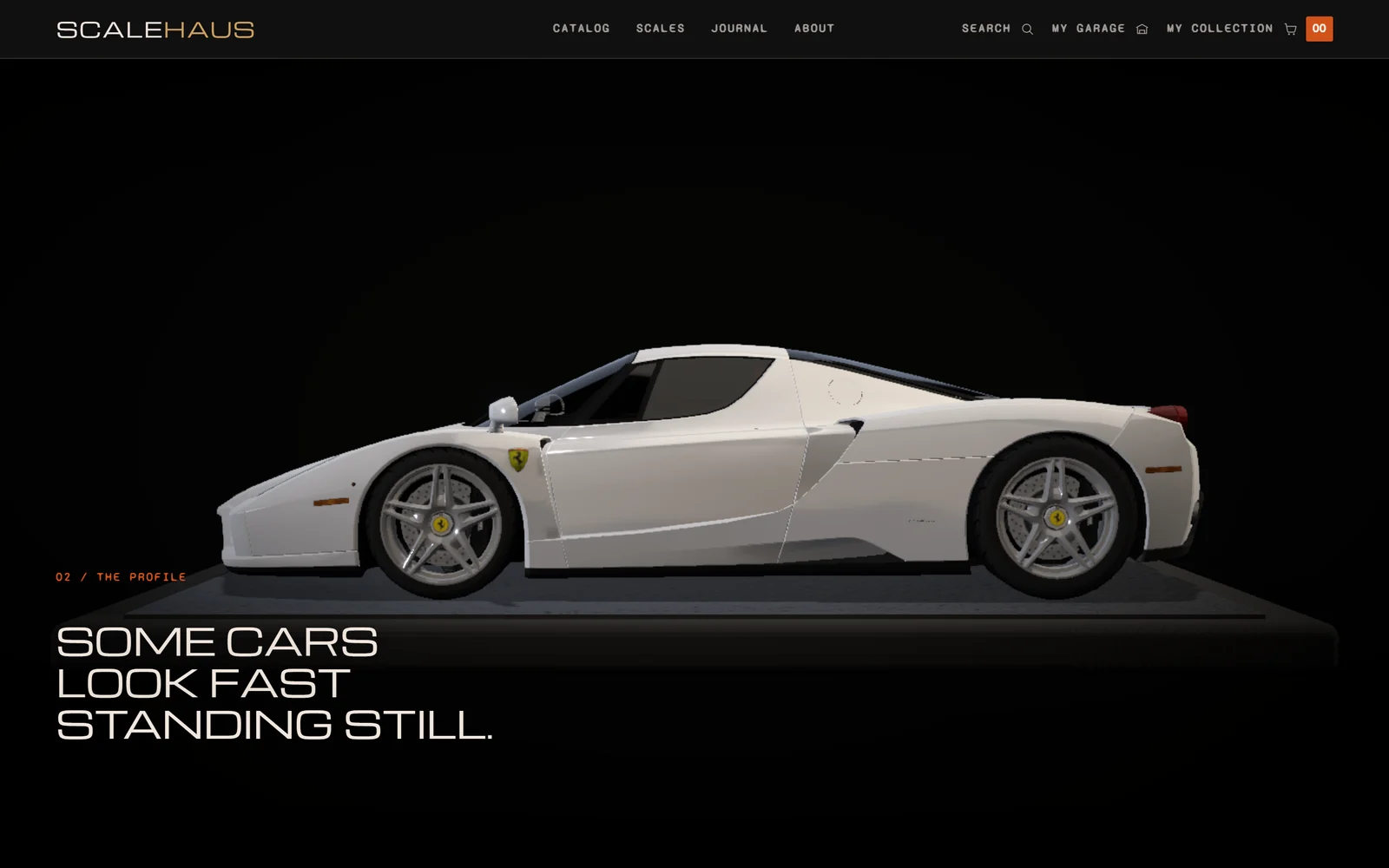
ScaleHaus started from zero, with no name, no identity and no store. The idea was a storefront that feels like walking into a collector's garage, which no theme could give it. So we built:
- A real-time 3D garage on the home page in Three.js (WebGL), with scroll-driven motion in GSAP.
- Collector features, "My Garage" and "My Collection", designed around how collectors actually think about their cars.
- A Next.js storefront with product media served from Shopify, deployed on Vercel's edge network, with Shopify still handling checkout.
- Technical SEO built in: canonical URLs, Organization and WebSite structured data, a sitemap, and robots rules that keep the cart, account and wishlist out of search.
That's the honest test: every item on that list needed custom code. If your list doesn't, you probably don't need headless.
What it costs you
- A bigger build. Everything a theme gives you for free (product pages, filters, search, accounts) has to be designed and built.
- Fewer plug-in apps. Many Shopify apps add features to the theme; on a headless store they need to be integrated by hand, or replaced.
- Ongoing upkeep. Someone has to maintain the code, update dependencies and fix things when Shopify changes an API. Shopify says to confirm you have developers to maintain it after launch.
- Hosting. The storefront runs on its own hosting, such as Vercel, alongside your Shopify plan.
When a UAE brand should go headless
Go headless when:
- your brand experience is the product, and a theme would make you look like every other store;
- you need features a theme and apps can't give you, like a 3D product showroom, a configurator or a collector's area;
- you want full control of speed and SEO, page by page;
- you have a developer or studio to look after it after launch.
Stay on a theme when:
- you're testing a product and need to launch this month;
- you rely on several Shopify apps for reviews, bundles or subscriptions;
- nobody will maintain custom code after launch.
A middle path
You don't have to choose all or nothing. Start on a well-built theme, prove the product sells, and go headless later for the parts where the experience matters most. Your products, customers and orders stay in Shopify either way, so moving is a storefront rebuild, not a migration.
Thinking about a custom store? See Shopify and e-commerce development.
Questions, answered.
What is headless Shopify?
It's a Shopify store where you build your own storefront, the part customers see, and Shopify still runs the commerce behind it through its APIs, including products, cart and checkout. Shopify describes it as separating the storefront's frontend from its backend.
Is headless Shopify better than a Shopify theme?
Not for most stores. Shopify itself says to consider headless only when its themes, sales channels and apps can't meet the need, and that a headless storefront costs more to build and run. It's better when you need an experience a theme can't give you.
Does headless Shopify still use Shopify checkout?
Yes, typically. Through the Storefront API the custom storefront handles products, collections, search and the cart, then hands the customer off to Shopify's checkout, so payments stay on Shopify.
What do I need to run a headless store?
A developer to build it and to maintain it after launch, hosting for the storefront (for example Vercel), and a budget that accepts it costs more than a theme. If you don't have someone to maintain it, a theme is the safer choice.
More insights.
Email marketing3 min read
The Klaviyo flows to set up first on a Shopify store
The Klaviyo flows a Shopify store should set up first (welcome, abandoned cart, browse abandonment, post-purchase and winback) and what each email should say.
23 October 2026
Branding3 min read
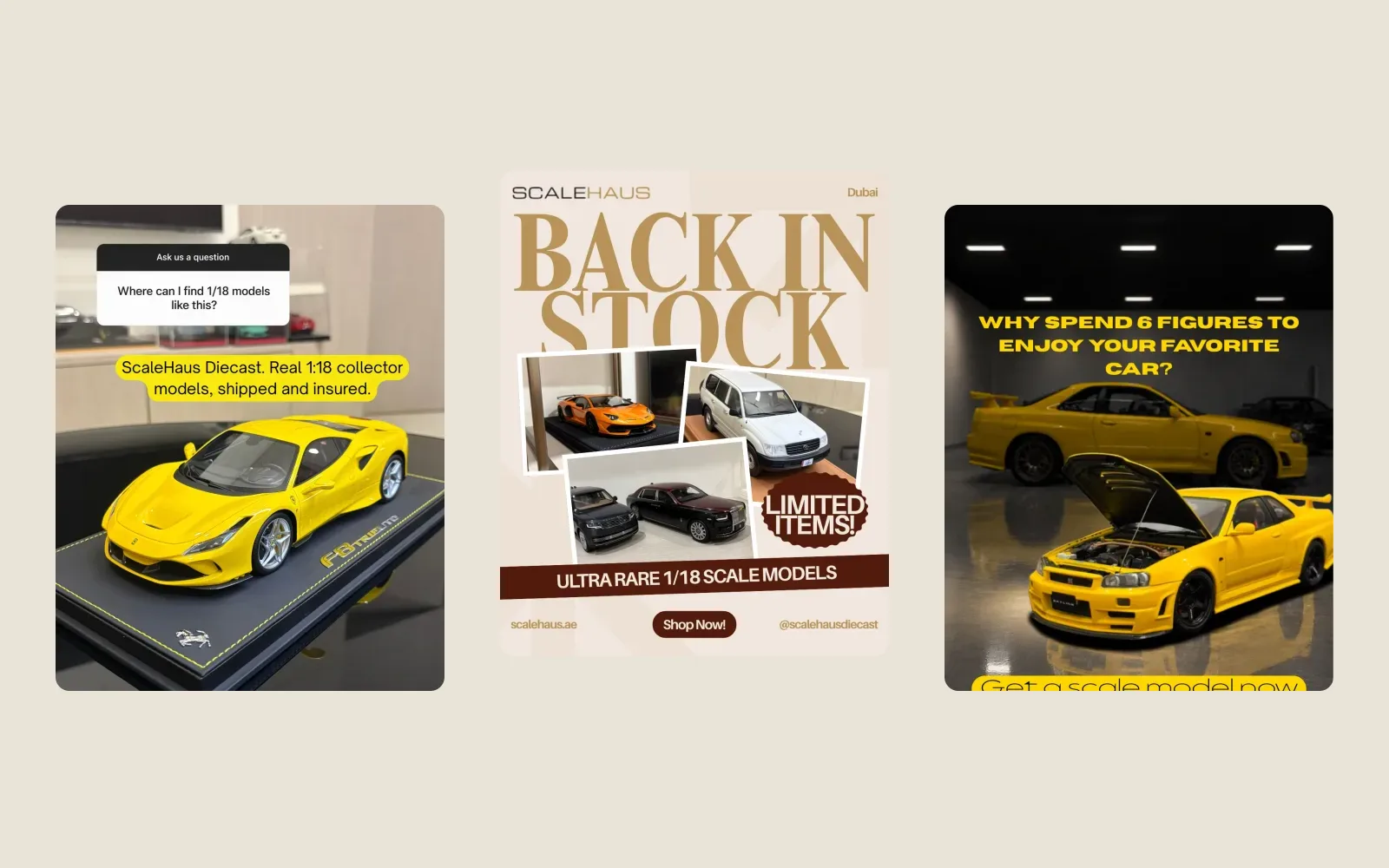
Logo vs brand identity: what a new UAE brand actually needs
A logo is one mark; a brand identity is the whole system around it. What a new UAE brand actually needs, shown on a brand we built from zero.
23 October 2026
Meta ads3 min read
Before you run Meta ads in the UAE: set up tracking that actually works
Set up the Meta Pixel and Conversions API before you spend, so ads optimise for sales or leads, not clicks. What to track, how to deduplicate, and WhatsApp ads.
23 October 2026